PyroWorks removes Lantana camara — one of Zambia's most damaging invasive species — and turns it into biochar: a soil remedy that rebuilds fertility, and a permanent, verified carbon removal. Since launching a first pilot site for the restoration of degraded land in 2023, this is our first operational module.
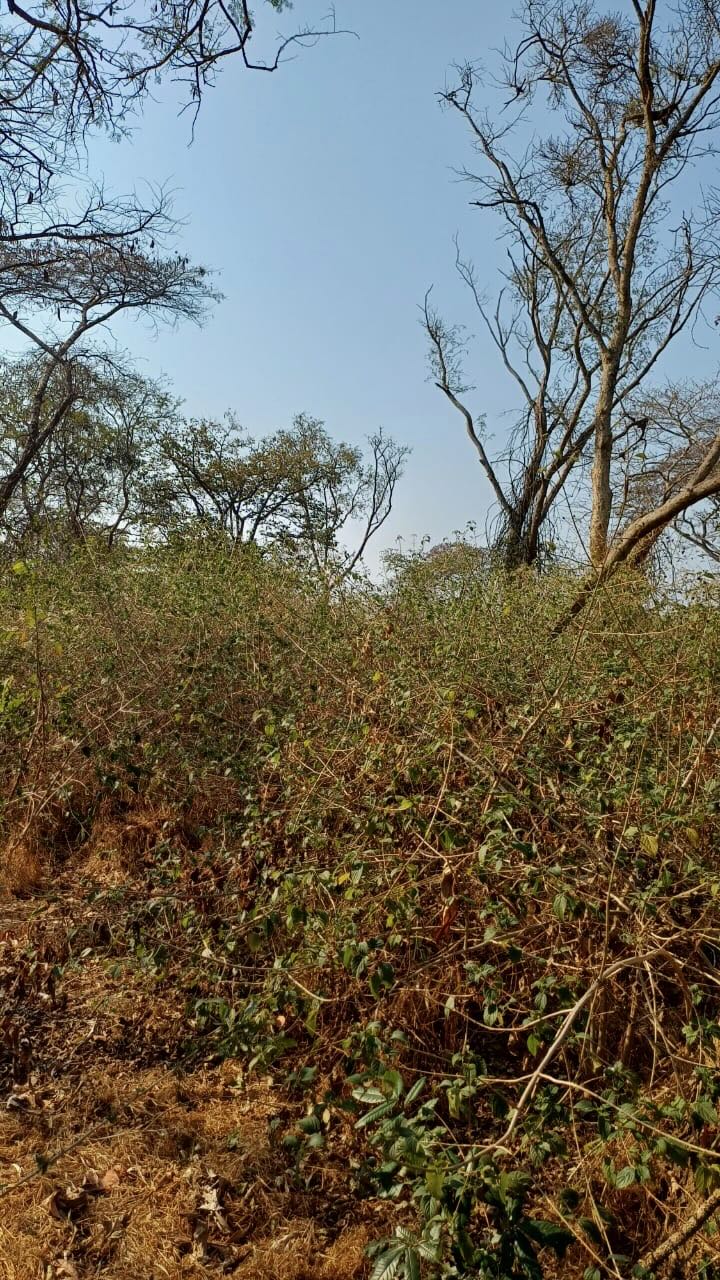
Confirmed abundant Lantana camara presence across five Zambian provinces — roughly 750,000 tonnes of standing biomass nationally.
National average standing biomass, independently confirming our planning assumption.
At a single unit's annual need, national biomass stock lasts decades — before accounting for regrowth and spread.
Source: PyroWorks Zambia landscape analysis, August 2026.
Mechanical and chemical clearing is a repeat expense with no return. No revenue stream ever offsets it, cleared land is prone to reinvasion within seasons, and smallholders carry the cost alone with no market to sell into. Biomass with real carbon and material value is burned or left to rot.
Removal becomes a paid service. The biomass becomes feedstock. Pyrolysis locks its carbon into biochar, which is sold as a soil amendment, while the CO₂ removed is sold separately as verified carbon removal credits.
The full processEach initiative is presented the same way: the challenge on the ground, and the initiative we run against it. The list grows as projects start.
All initiativesFarms, institutions, suppliers and public bodies working with us in Zambia and beyond.
See who we work with